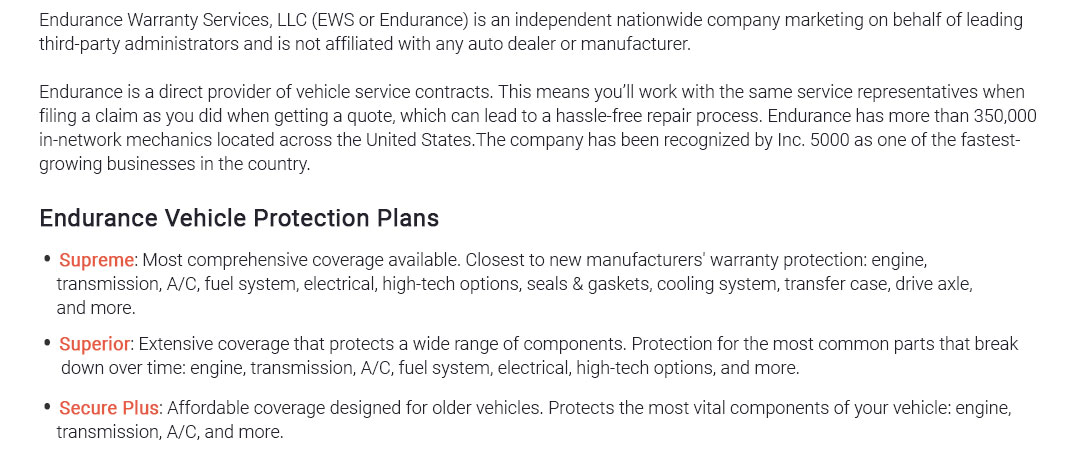
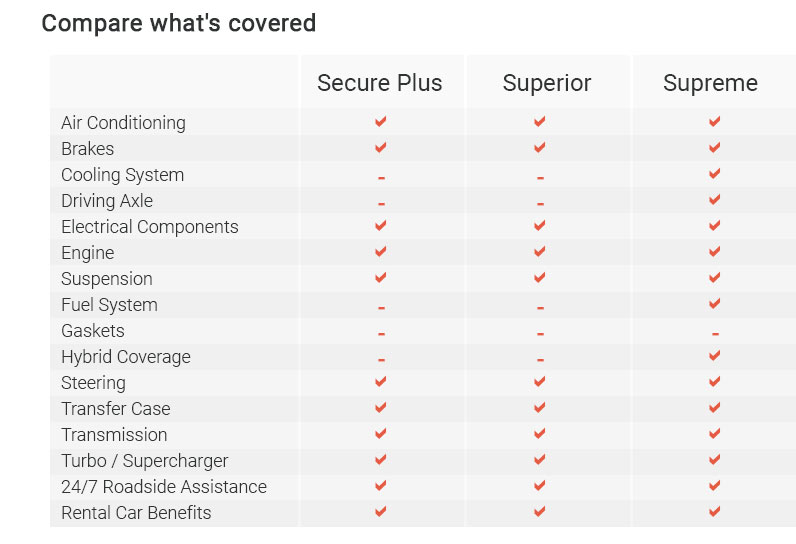
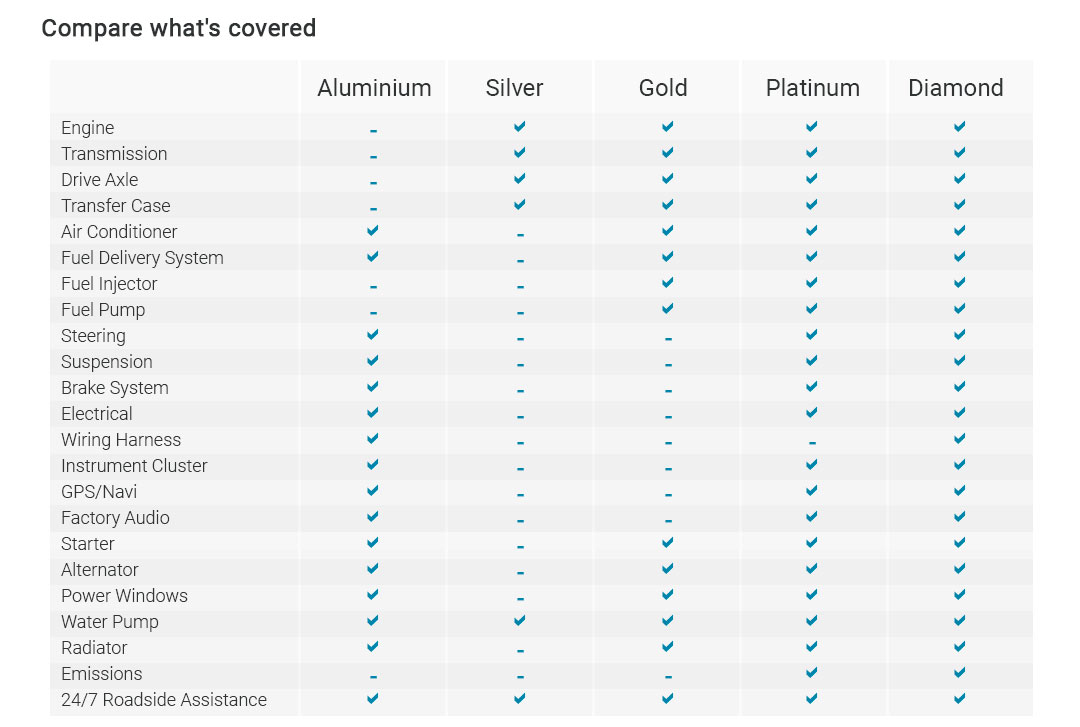
vehicle warranty over 200k miles: confidence for long-haul driversWhy it mattersA vehicle still earning its keep past 200,000 miles thrives on two pillars: stability for major components and flexibility for unpredictable days. A vehicle warranty over 200k miles can turn a nerve-wracking dash light into a manageable plan, smoothing repair costs and keeping schedules intact without forcing rushed decisions. What these plans usually cover- Powertrain: engine, transmission, drive components, with clear limits on pre-existing wear.
- Cooling and fuel systems: pumps, injectors, radiators, often with maintenance proofs.
- Electrical: alternators, starters, selected modules and sensors.
- Convenience items: varies widely; some exclude infotainment and trim.
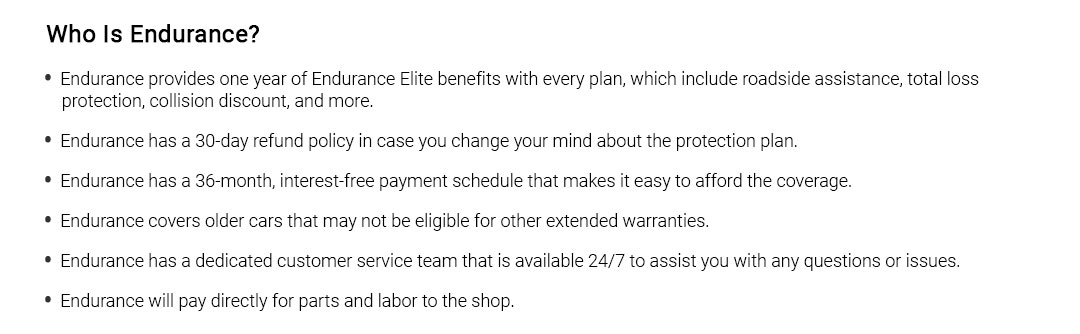
- Roadside assistance: towing, jump-starts, sometimes trip interruption credits.
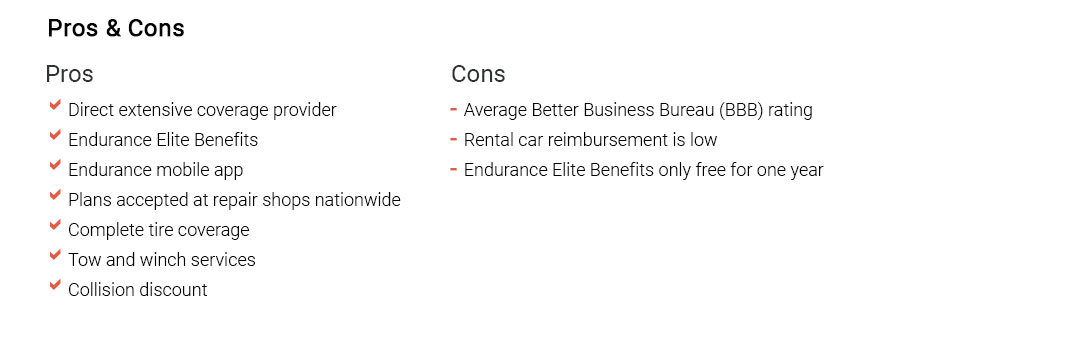
Limits, flexibility, and the soft "maybe"Some argue cash-on-hand beats any contract at high mileage, and that can be true if parts access and downtime are predictable. Yet a well-structured plan offers flexibility: nationwide shop choice, negotiable diagnostics, and parts alternatives that keep older vehicles on the road. Stability appears in clear claim procedures and caps that match real repair costs, not just optimistic estimates. Real moment: a delivery van at 218,000 miles drops oil pressure on a cold morning. The high-mileage plan sends roadside help, a shop verifies a failed sensor, not a spun bearing, and a mid-day route is saved with a modest deductible. Cost and value: a quick test- Price three likely repairs (transmission, fuel pump, steering rack).
- Compare to the plan's term, cap, and deductible.
- Confirm shop network and OEM vs. reman part options.
- Check claim speed, rental limits, and transfer rules.
If the numbers align and the coverage language is plain, you gain the stability of known ceilings with the flexibility to keep rolling when surprises arrive. 
|
|